
You Might Also Like: How to Boost E-Commerce Sales With Generative AI
Try SellerChamp for Yourself!
Schedule a demo today and discover how our Bulk Lister can help you list more products, increase sales, and grow your e-commerce business faster than ever.

Who Can Sell on Shein?
Verify your eligibility before you start exploring selling on Shein. To qualify, you generally need to:
- Show a minimum of $5 million in annual revenue as a registered business. Don’t have $5 million in revenue yet? Here’s what you can do.(link to internal H2)
- Operate as a legally registered company. Only professional sellers are accepted.
- Run U.S.-based operations and ship directly to customers from that base.
- Maintain a structured product catalog that fits Shein’s trend-driven, fashion-forward customer base.
Step 1: Choose Your Niche and Products

Pick a Niche That Fits Shein's Demographic
- Shein’s shopper base skews young and trend-driven. The marketplace sells multiple product categories, but apparel, accessories, and beauty typically convert best.
- Go narrow before you go broad. A tightly focused niche (such as plus-size activewear or Y2K-inspired accessories) outperforms a scattershot catalog.
- Cross-check your niche against the best performing products. For example, dresses, tops, and layered basics are consistently top performers on the platform; products that sit near these categories like matching accessories and layering pieces tend to pick up browse traffic from shoppers already there.
Choose Products With Built-In Demand
- Favor items with high trend velocity.
- Stay in Shein’s natural price band. Most winning listings sit in the $5–$25 range.
- Prioritize repeat-purchase and add-on items (jewelry, accessories, basics) over one-and-done purchases.
- Watch shipping economics. Lightweight, compact items protect your margins after commission and fulfillment costs.
Pro tip: Run your product list through a margin check before sourcing. Subtract Shein’s applicable commission plus fulfillment costs from your target price to confirm the math works at scale, not just per unit.
Step 2: Find the Right Suppliers and Build Your Sourcing Strategy

Source Product Reliably at Scale
- Vet suppliers on production capacity, not just unit price. Shein’s flash-sale model can spike demand fast, and a supplier who can’t scale will cost you more in stockouts than they saved you per piece.
- Order samples before committing to a minimum order quantity. Negotiate MOQs down wherever possible for your first run.
- Factor supplier lead time into your launch timeline. Overseas manufacturing typically means 30-45 day lead times; domestic sourcing costs more per unit but shortens that window.
- Use an API for supplier-feed integration and connect with multiple suppliers together.
Validate Demand Before You Commit
- Test the product on a channel you already run (Amazon, TikTok Shop, Etsy) before building out a full Shein catalog around it.
- Use Google Trends or other trackers to confirm a trend has runway left, not just a spike.
- Treat your first Shein catalog as a pilot: 15-25 tightly curated SKUs validated elsewhere might outperform 100 untested ones.
Step 3: Apply to Become a Seller on Shein

How to Sell on Shein: Step-by-Step Signup Process
i. Head to the official Shein Seller Portal
ii. Submit your business documentation
- Certificate or Articles of Incorporation
- Most recent W-9 (U.S. businesses)
- Trademark registration certificate, if applicable
- Government-issued ID or passport (front and back) for your company representative
- Store logo (high quality PNG)
iii. Get matched with an account manager
iv. Build your catalog and launch
Step 4: Listing Guidelines: Learn What Sells (and What Gets Rejected) and Work Accordingly
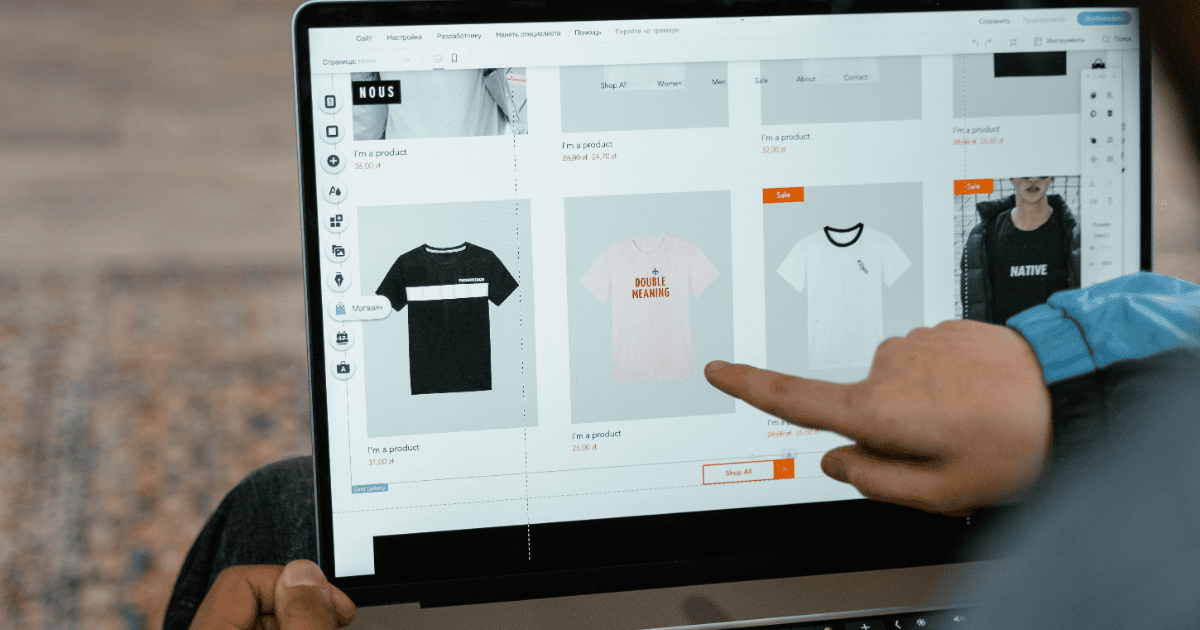
- Go for high-quality, well-lit product photography that accurately represents the product.
- Use accurate size charts and material details in your product listings to cut down on returns.
- Follow competitive, trend-aware pricing. Shein shoppers are generally price-sensitive. Use a repricer tool to maintain optimal prices at all times.
Learn more on how to automate product listings across marketplaces
Don’t Have $5 Million in Revenue Yet? Here’s What You Can Do

- Independent fashion designers and artists can explore SHEIN X, an incubator program which operates separately from the standard Shein Marketplace seller process. Shein X provides selected participants with resources such as manufacturing, marketing, and operational support to help bring their designs to market.
- Grow through adjacent channels first: build volume on Amazon, Walmart, or TikTok Shop, then reapply once revenue supports it.
- Watch for tier changes: marketplace requirements shift as platforms mature, so requirements are worth revisiting every few quarters.
Key Things to Know to Sell on Shein

Shein Seller Fees and Commission Structure
- Commission rate: approximately 10% per sale depending on the product category.
- No upfront listing fees: you’re not charged simply for creating a storefront or uploading products.
- Fulfillment costs vary: self-fulfillment versus Shein’s own fulfillment service carry different cost structures.
Shein Fulfillment Service (SFS): Should You Use It?
- Want to compete on delivery speed.
- Prefer to offload pick-pack-ship work the way you might with FBA.
- Sell fast-moving, trend-cycle products where speed drives conversion.
Common Mistakes to Avoid When Selling on Shein

- Underestimating the eligibility bar
- Treating it like a side-channel
- Letting inventory drift out of sync
Managing Shein Alongside Your Other Sales Channels

- Bulk Lister. Upload and manage thousands of Shein-ready listings in minutes instead of building each one by hand.
- Inventory Sync. Keep stock levels accurate in real time across Shein and every other channel you sell on.
- Multi-Channel Fulfillment. Route orders automatically whether you’re self-fulfilling or using SFS.
- RePricer Software. Stay competitive on Shein’s price-sensitive shoppers without manually adjusting prices all day.
- Insights & Reports. Get detailed but easy-to-understand reports on your sales and revenue.
Frequently Asked Questions (FAQs)
Q: Is Shein Marketplace worth it for small brands?
Yes, Shein Marketplace can be worthwhile for small brands that meet its seller requirements and can compete on pricing, product selection, and fulfillment. Shein offers access to a large audience that can help small brands grow fast.
Q: Can I sell on Shein without holding inventory?
It depends on Shein’s current fulfillment requirements. Sellers may use third-party fulfillment services, but the arrangement must meet Shein’s shipping, inventory, and order-processing requirements.
Q: What products are prohibited on Shein Marketplace?
Shein prohibits products that violate its policies, applicable laws, intellectual property rights, or safety requirements. This can include counterfeit, infringing, unsafe, and certain regulated products.
Q: Can I sell the same products on Shein and Amazon?
Yes. You can sell across both marketplaces, but each platform may have different listing, pricing, and fulfillment requirements. Keep your inventory synchronized to avoid overselling.
Q: How do sellers handle returns on Shein?
Sellers must follow Shein’s return policies and handle eligible returns according to the platform’s requirements via the Seller Hub. If you use Shein Fulfillment Service (SFS), Shein manages the return process as part of its fulfillment service.

![Top Selling Products on TikTok [Updated 2026]](https://sellerchamp.com/wp-content/uploads/2026/09/image7-600x315.png)