

You Might Also Like: How to Manage E-Commerce Inventory: 8 Tried and Tested Methods + Tools
Try SellerChamp for Yourself!
Schedule a demo today and discover how our Bulk Lister can help you list more products, increase sales, and grow your e-commerce business faster than ever.

Why Inventory Forecasting Matters
- Nearly 50% of planned purchases are abandoned if products go out of stock, leading to serious losses.
Guard profit:
Stay competitive:
Maintain trust:
How to Forecast Demand: Methods That Work

- Time-Series Analysis: Use past sales to project future demand. For example, apply a 3- or 6-month moving average (or exponential smoothing) to your weekly sales data. This highlights underlying trends for stable items.
- Seasonal & Event Adjustments: Incorporate calendar factors. If Black Friday or a planned marketing campaign is coming, adjust the forecast accordingly. Using last year’s holiday numbers plus current trends helps avoid understocking during spikes.
- AI & Machine Learning: Advanced platforms (like SellerChamp’s Insights & Reports) can blend complex data. They learn from historical sales, marketing spends, web traffic, and more to predict demand. Retailers using AI-driven inventory forecasts can cut safety stock requirements by 10–15% without hurting availability.
- Qualitative Insights: Don’t ignore human input. Sales rep feedback or market intelligence can tweak the numbers. For instance, if a product will be featured on a TV show or influencer post, add that bump to your model.
Data & Real-Time Sync for Accurate Inventory Forecasting

- Consolidate Channel Data: Pull sales from all your marketplaces and carts into one view. A centralized system ensures no sales slip through. Without this, multi-channel sellers average only ~63% accuracy in their inventory records. Such incomplete data wrecks forecasts.
- Track All Data Simultaneously: Current stock levels, sales velocity, and pending purchase orders must be in sync. Use tools that automatically update stock across Amazon, eBay, Shopify, and other channels as soon as a sale happens. Real-time syncing means your forecast always uses fresh data.
- Use Forecasting Features in Software: Invest in a platform that does the math for you. Many inventory systems incorporate demand forecasting. Use automation to plug the leaks in your data pipeline.
Avoiding Stockouts with Forecasts and Safety Stock
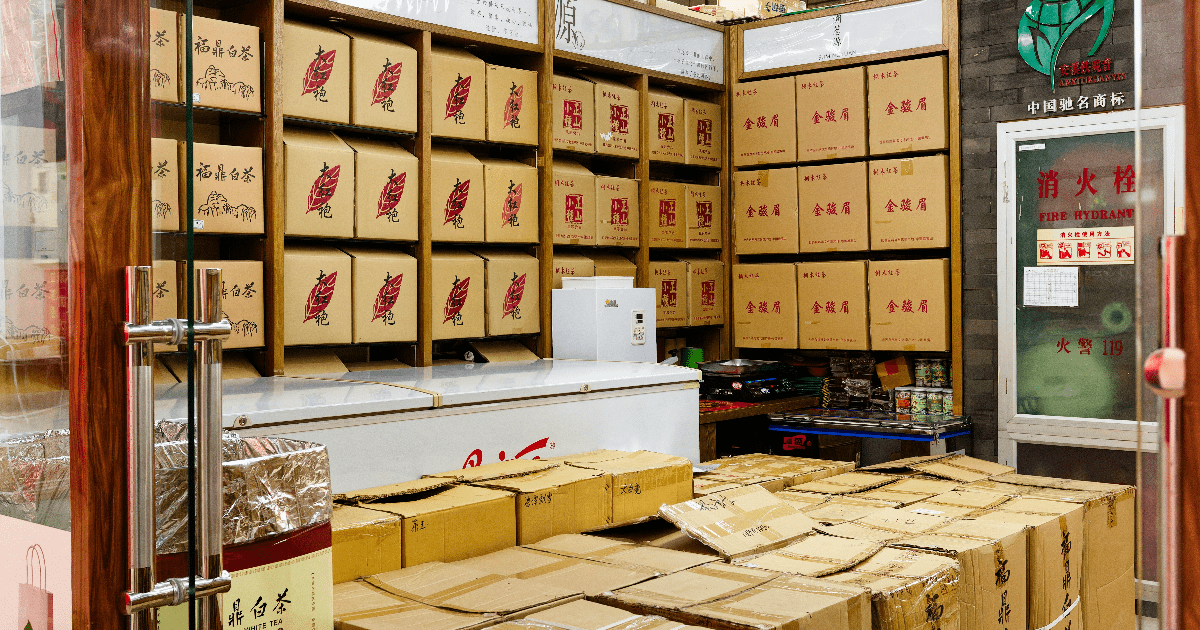
- Set Smart Reorder Points: For each SKU, define a minimum stock level (safety stock) based on your forecasted demand and supplier lead time. When inventory dips below this point, trigger a notification and reorder.
- Monitor Sales Trends: Keep an eye on products that are selling faster than expected. If you notice a surge, refresh your forecast immediately. Tip: Update your forecasts weekly or before major campaigns to capture real-time trends and prevent surprises.
- Continuous Improvement: Treat forecasting as an ongoing process. After each sales cycle, compare projected demand to actual sales. Use that data to tweak your forecasting model. Automated inventory management isn’t a set-and-forget system but one that requires constant review of metrics and updates.
- Adjust for Variability: High-demand or new items may need an extra buffer. One approach is to hold 20–30% of your average demand as safety stock for unpredictable SKUs. For slower movers, safety stock can be smaller or zero.
Leveraging Technology: Automation & AI

- Inventory Management Platforms: Use a tool designed for e-commerce that automates the grunt work of syncing stock, scanning barcodes, etc. With one-click integrations, you centralize data and reduce manual errors.
- Demand Sensing & Analytics: Connect everything from sales and marketing reports to web analytics and even weather data. Integrating advertising data, for example, can help you anticipate demand surges from promotions.
- Efficiency Gains: Automated systems don’t just prevent stockouts; they slash workloads, boosting efficiency by about 50%. This means your team spends half the time on inventory tasks and can focus on strategy.
Practical Steps for Smarter Forecasts

- Centralize Your Data. Pull in sales from every channel. If you sell on Amazon, eBay, Shopify, etc., use a platform that syncs them all to one dashboard. Working from one consolidated dataset prevents blind spots.
- Pick a Forecasting Method and Start Simple. Use a moving average of recent sales as a baseline, then add adjustments for seasonality or campaigns. As you grow, test more sophisticated models (weighted forecasting, AI, etc). The best approach depends on your catalog size and volatility.
- Review and Refine. After every sales period or marketing campaign, review your reports. Identify deviations (maybe a new best-seller or a slow-moving item) and update assumptions. Forecasts aren’t fixed numbers; they improve as you feed them fresh data.
- Invest in the Right Tools. Choose software that fits your scale. For multichannel sellers, this often means a unified inventory management system. SellerChamp, for example, offers features like bulk listing, real-time inventory sync, and demand analytics across marketplaces. By automating repetitive tasks, you can spend less time on spreadsheets and more on strategy.
Frequently Asked Questions (FAQs)
Q: What data do I need for accurate forecasts?
Q: What is safety stock, and how is it determined?
Safety stock is extra inventory you keep on hand above your forecast to protect against unexpected demand spikes or supplier delays. It is determined on the basis of your sales variability and lead times.
Q: What’s the difference between forecasting and replenishment?
Forecasting is the planning step that predicts how much demand you’ll have. Replenishment is the action step in which you order new stock to meet that forecast. In other words, forecasting tells you what and when to stock, whereas replenishment ensures the orders actually happen. Good systems link them both.
Q: How do promotions and marketing campaigns impact inventory planning?
Promotions temporarily boost product demand. Forecasts must include these spikes to prevent stockouts. Planning ahead ensures smooth fulfillment during campaigns.
Q: What metrics should I track to measure forecast accuracy?
Track Mean Absolute Percentage Error (MAPE), forecast bias, and inventory turnover. These metrics reveal how closely your forecasts match actual demand. Monitoring them helps refine your planning.
Q: Is it better to understock or overstock when uncertain about demand?
Overstocking ties up capital and risks unsold inventory. Understocking may cause lost sales and disappointed customers. Use safety stock and demand insights to find the right balance.